Cart is empty
Add products to the cart — selected items, the total amount, and a quick checkout link will appear here.
Your cart
Menu

In the finished video, everything happens fast: a character enters the frame, the camera moves past, something collapses, someone joins the fight — and a couple of seconds later, the scene is already over.
But before that come dozens of versions of those shots, empty environments, test animations, searches for the right angles, failed lighting setups, redesigned characters, and a huge amount of detail that the viewer may never notice at all.
The L2EIGIS cinematic — Answer the Call became exactly that kind of project for me. So here I want to show not only the finished film, but also some of what remained outside the frame after more than 70 days of development.
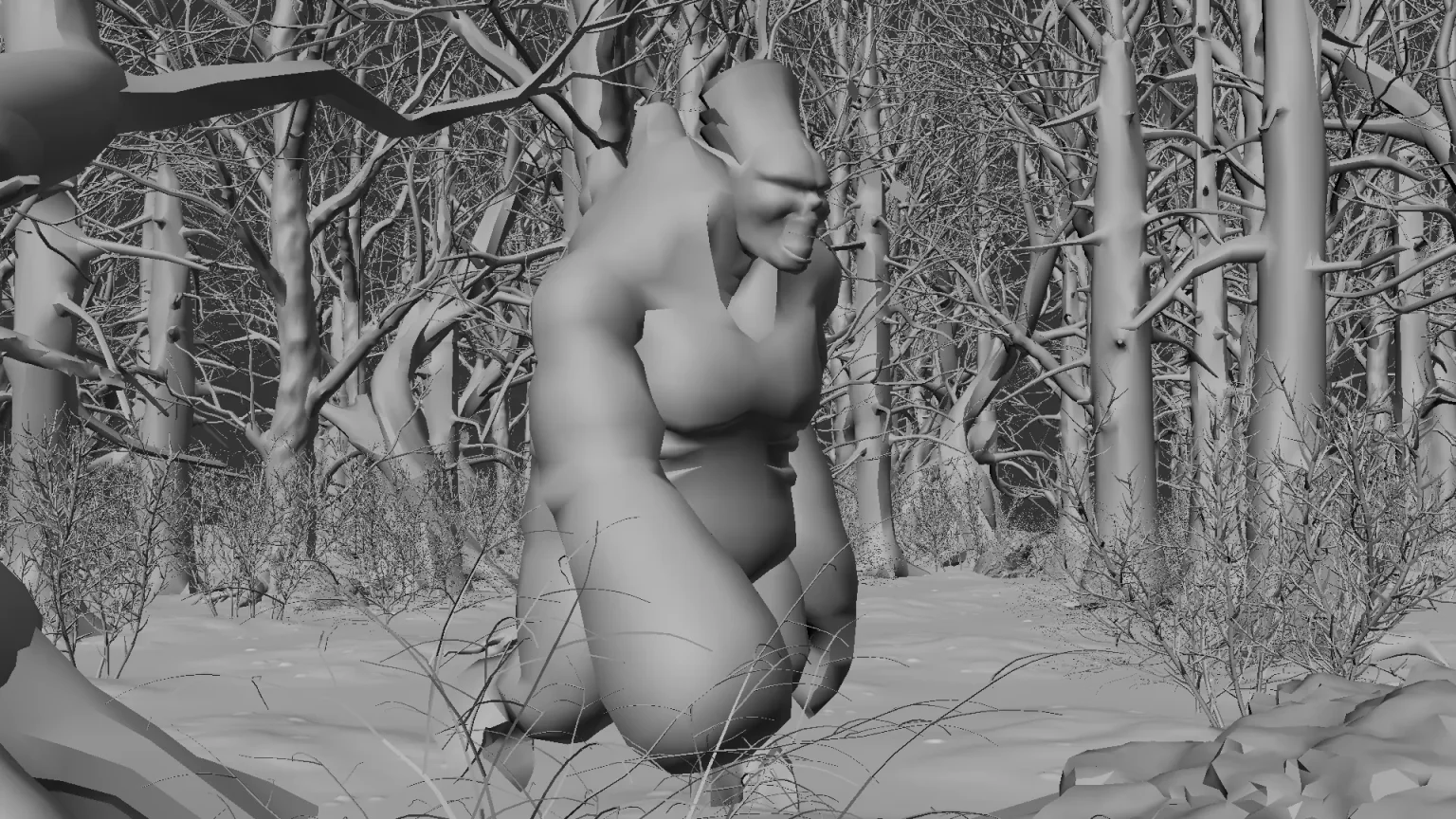
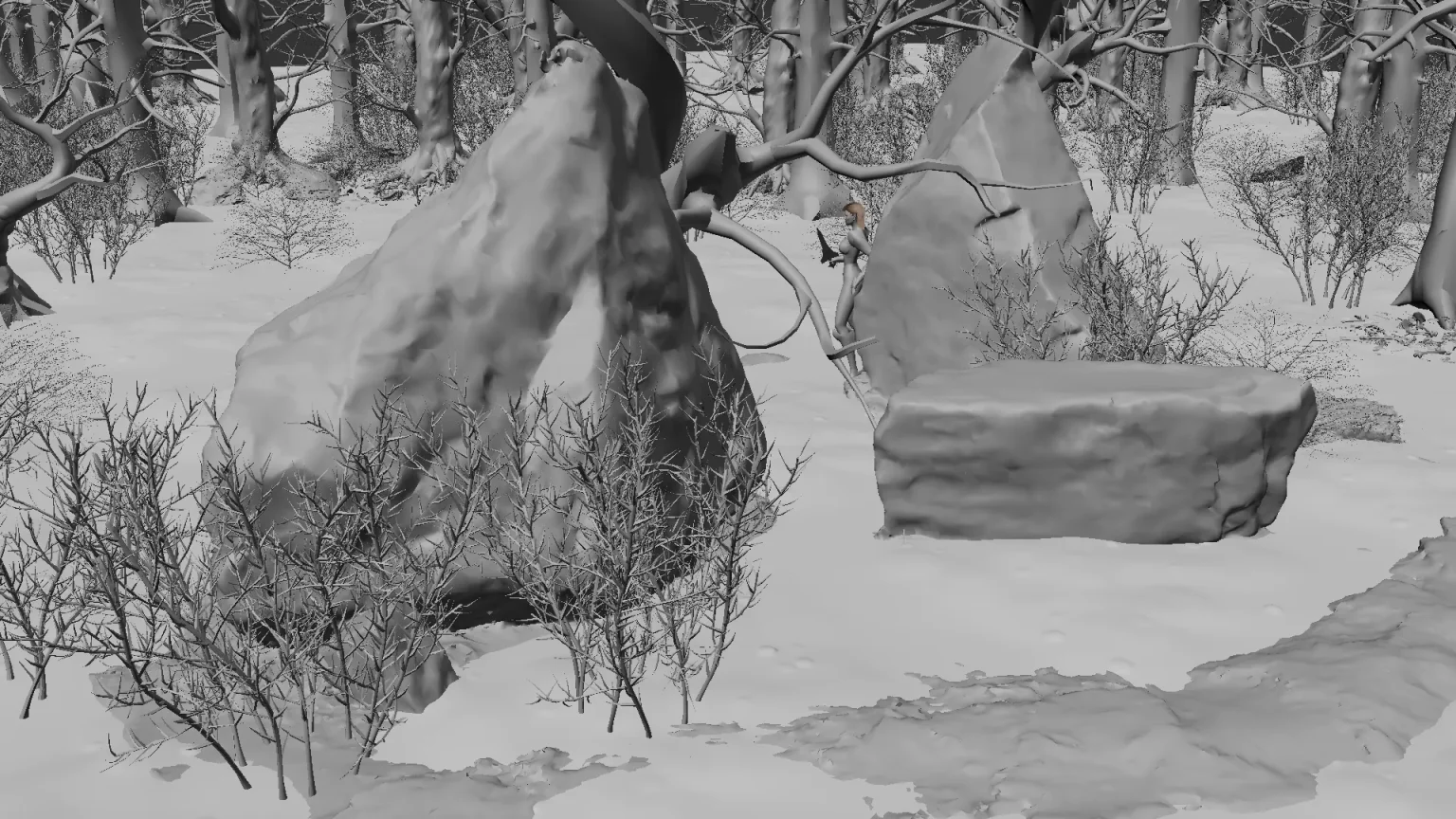
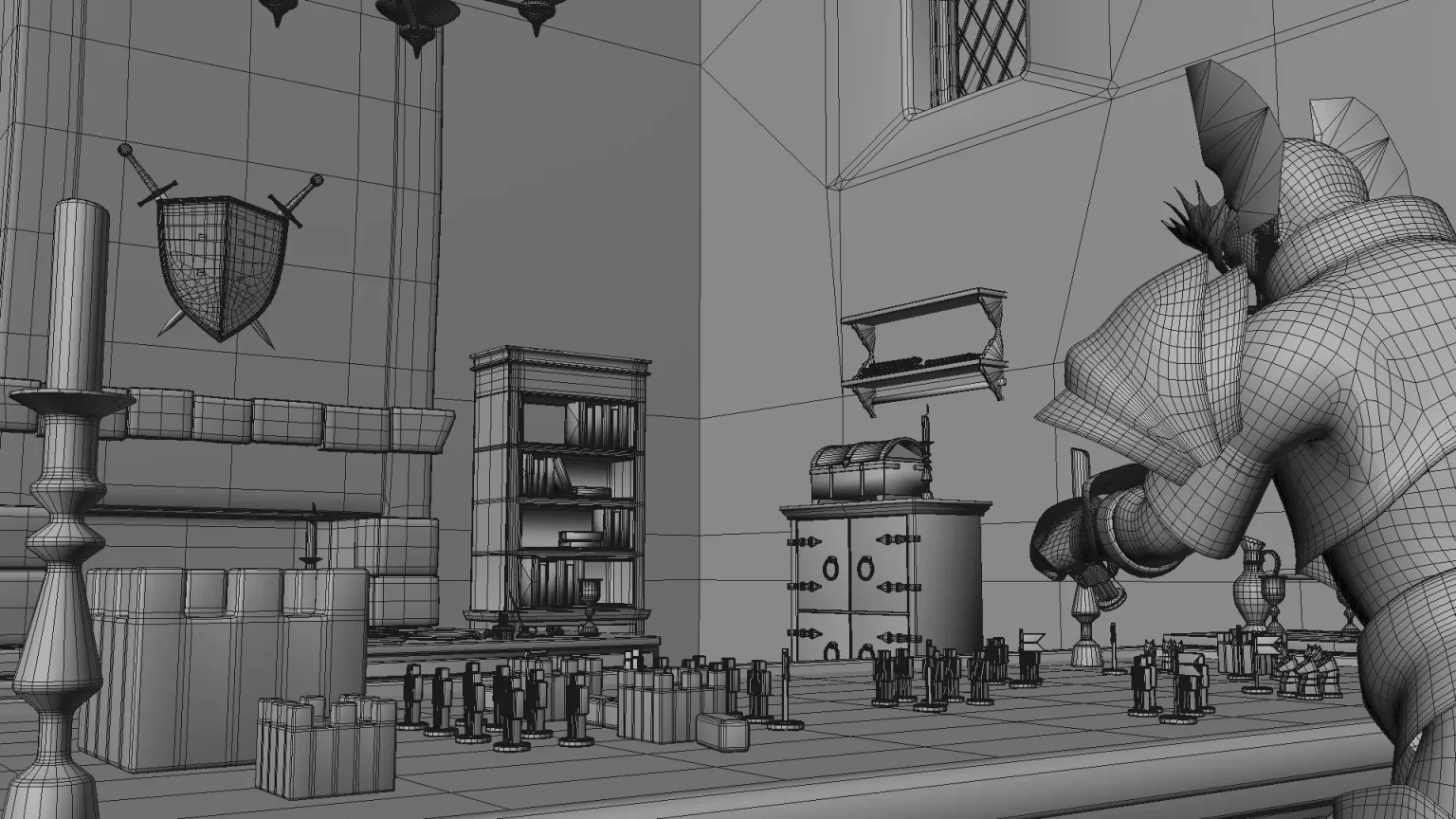
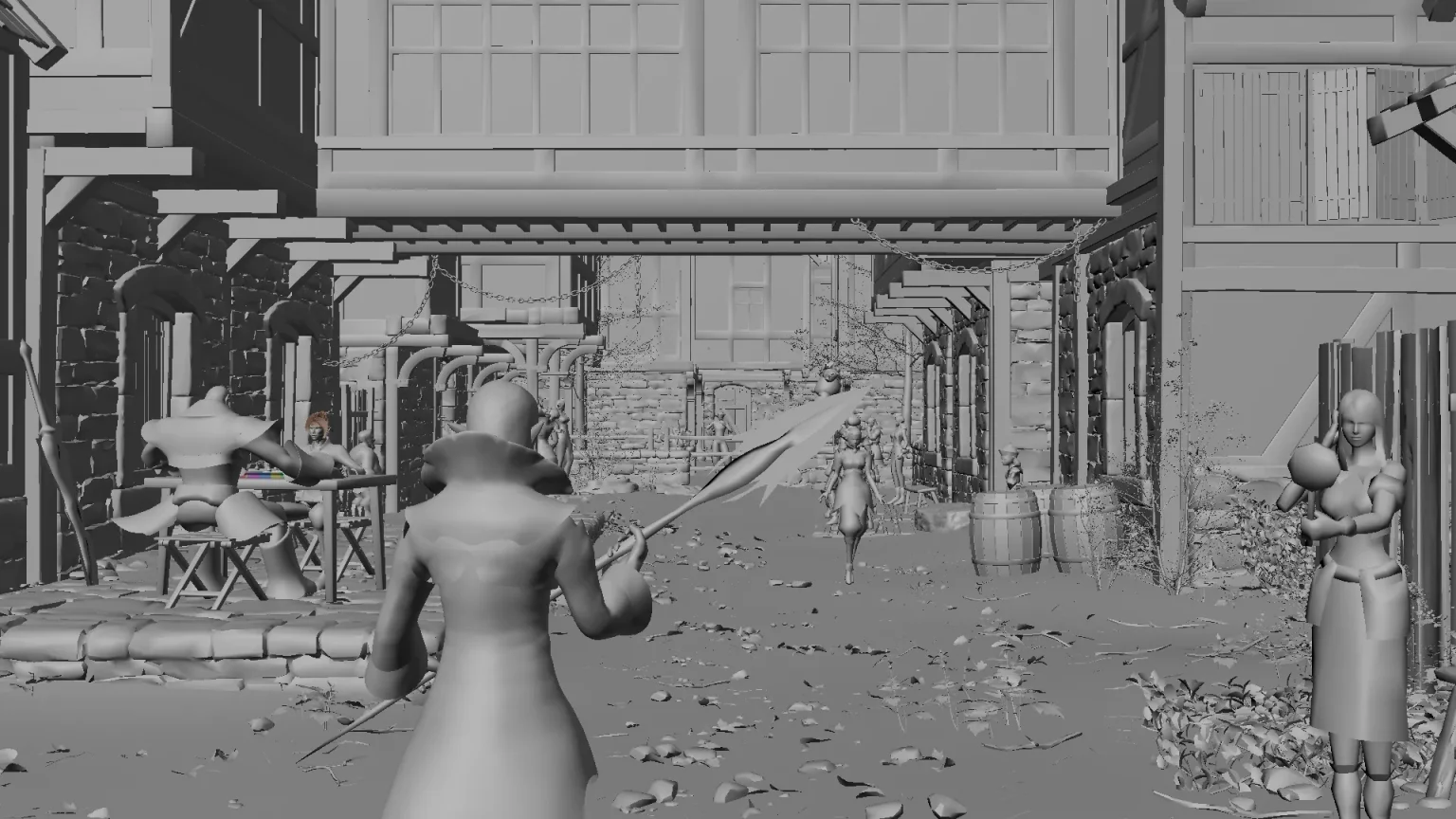
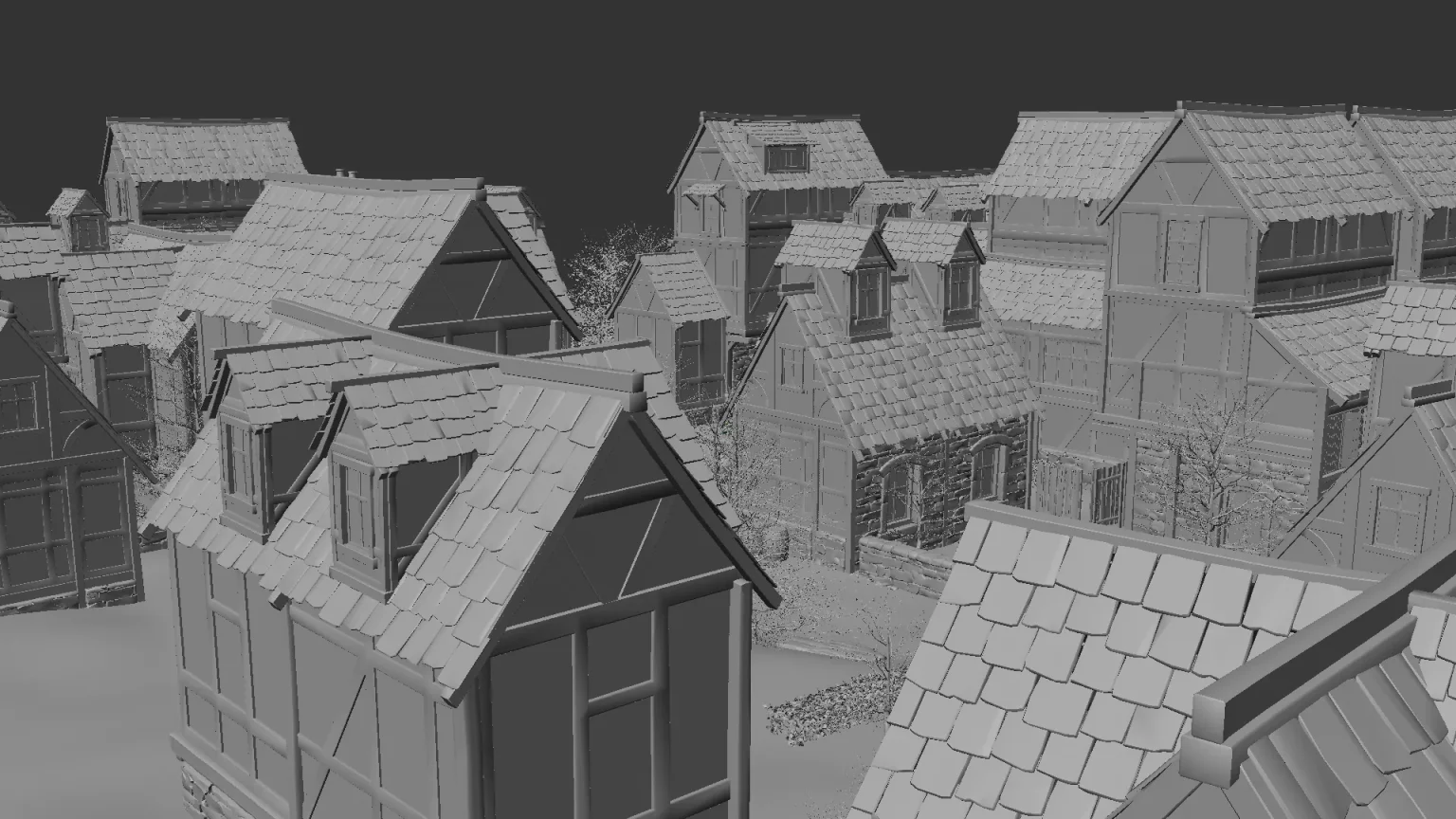
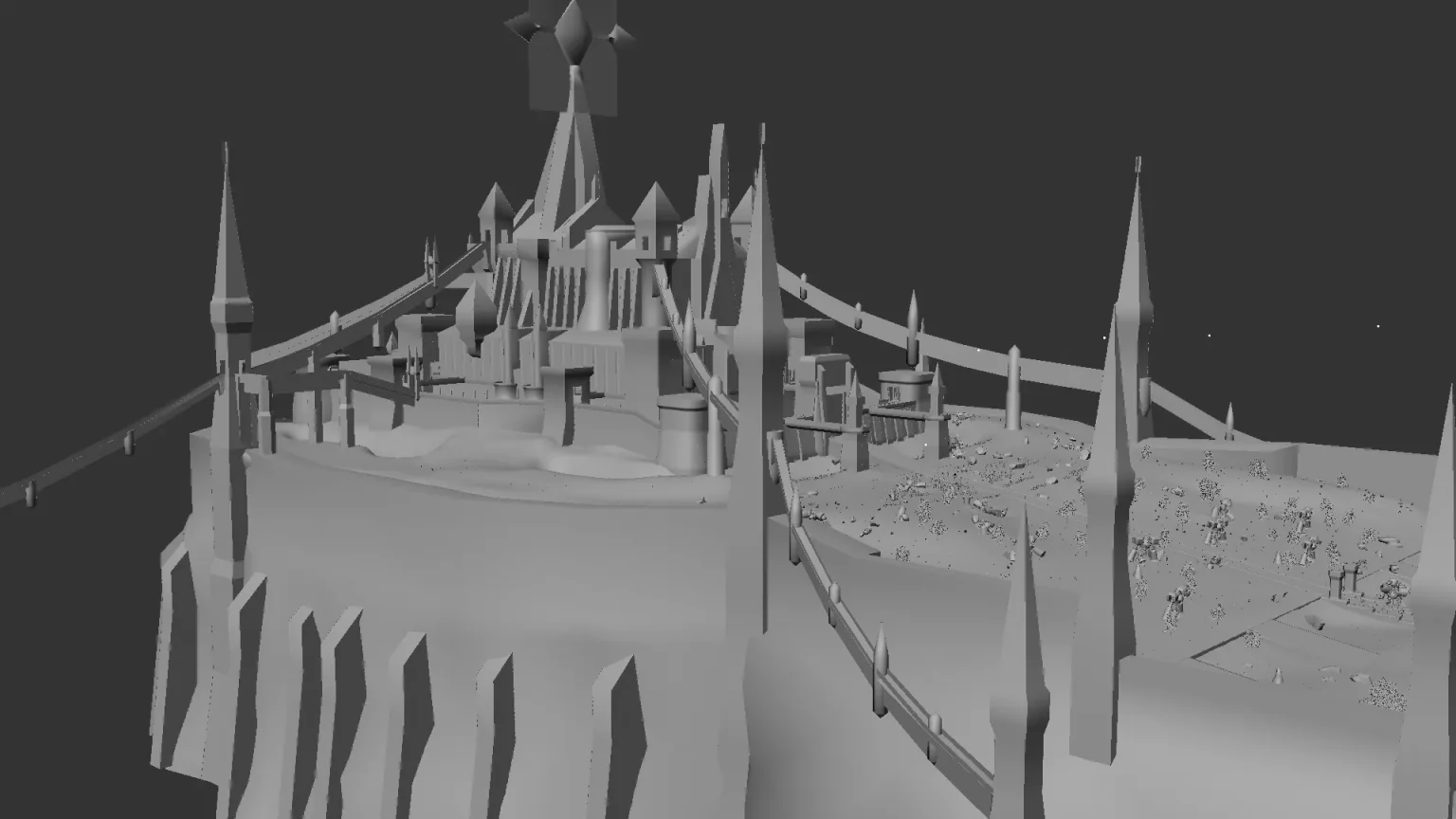
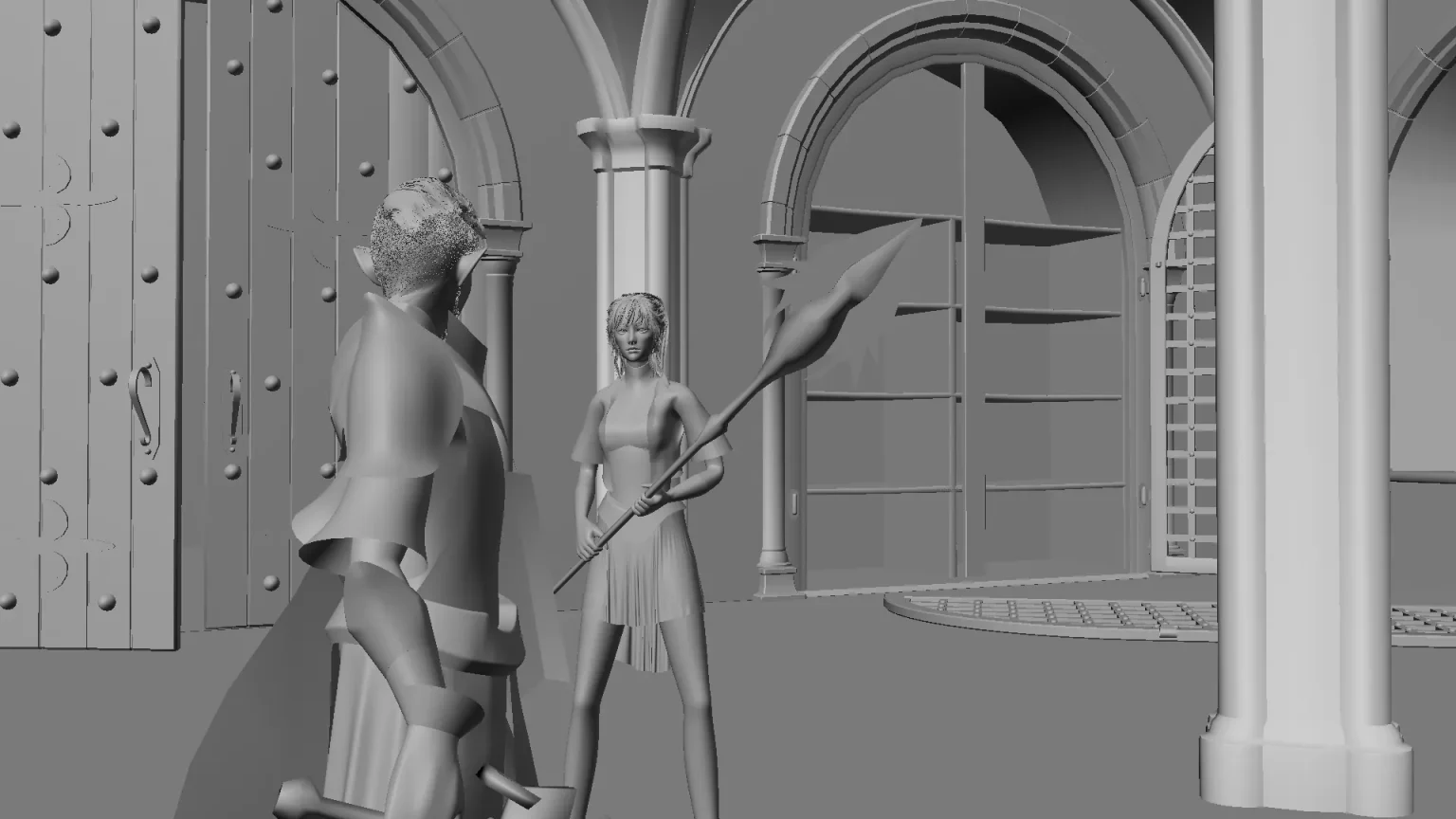
The entire L2EIGIS cinematic was built in Cinema 4D. For a project like this, it would probably have made more sense to use Blender on its own or Blender with Octane, but my workflow has been built around C4D for many years. I am a motion designer after all, and every now and then I genuinely enjoy diving into a big cinematic project — although projects like this eat up an almost obscene amount of time.
Arnold, on the other hand, was a real experiment. I had already rendered a few short shots with it before, but this was the first time I had used it for a full cinematic of this scale. Testing a renderer on a few frames is one thing; putting an entire project through it — with dozens of scenes, characters, effects and heavy environments — is something else entirely.
Is Arnold good? It has its flaws, but for cinematic work the built-in fog, decent denoising and blur make up for a lot. The biggest downsides are speed and stability. Even on two RTX 4090s, rendering was slow, and crashes cost me several days. And then there are .tx textures — IPR works much worse without them, while they leave a ridiculous amount of junk behind.
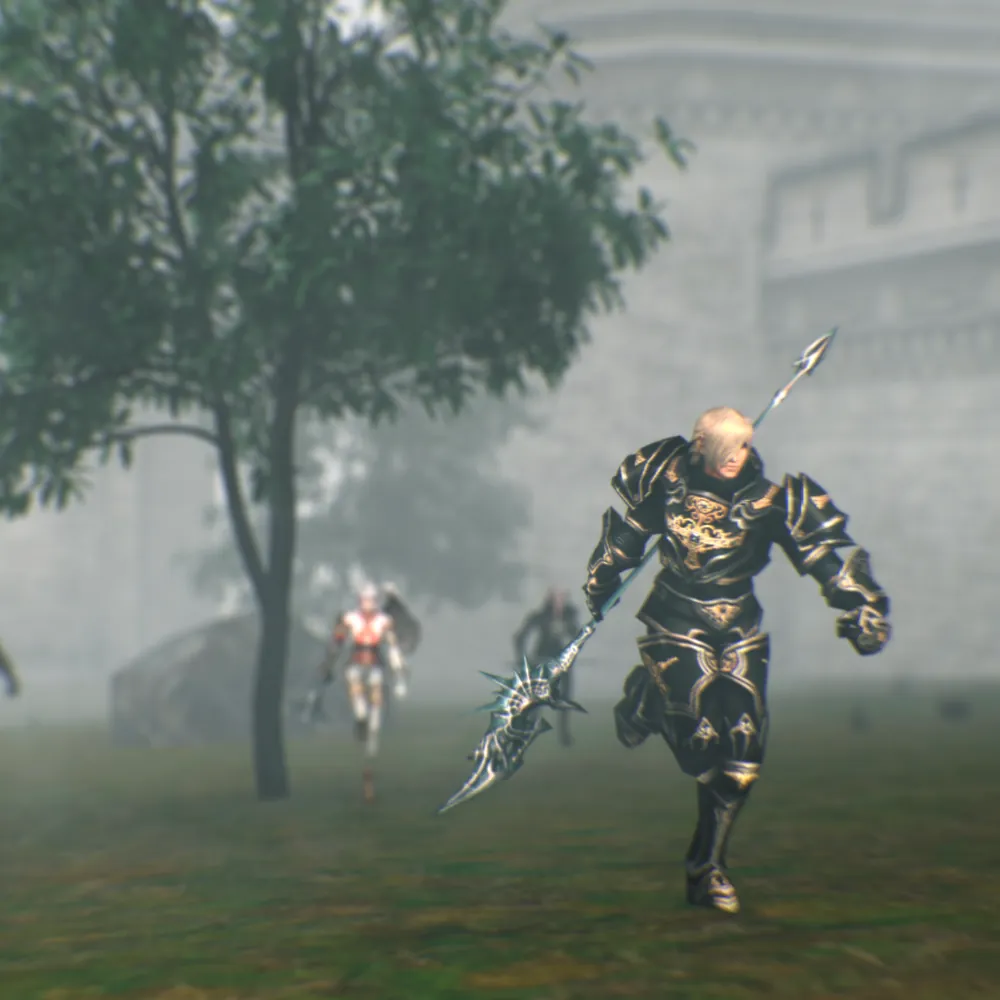
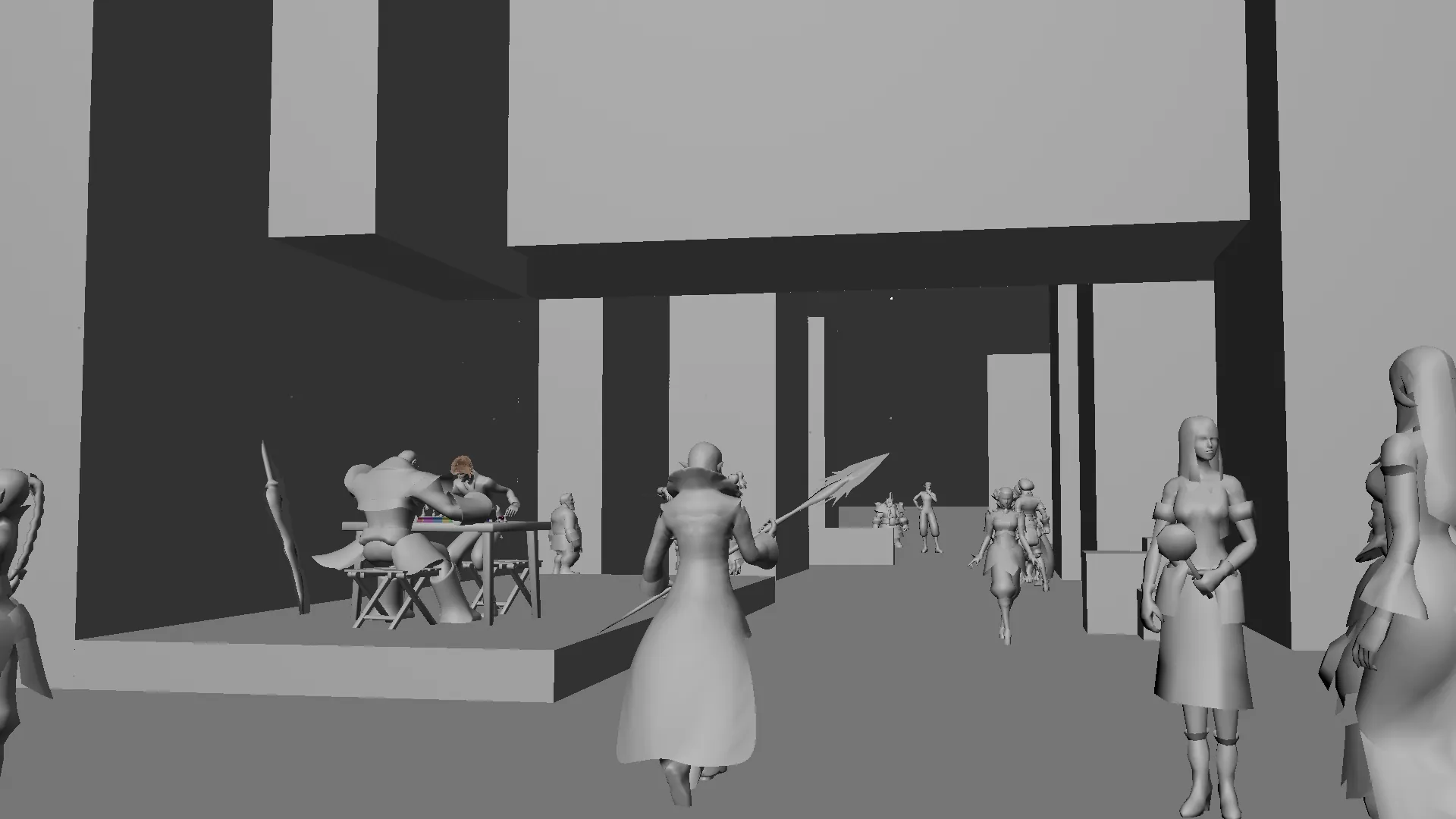
I started with a rough storyboard, built basic scene blocking and began searching for the right composition, camera movement and overall rhythm. At this stage, everything looked as primitive as possible — simple geometry, placeholder characters and barely any detail. The main goal was to understand whether the scene itself worked before spending time on environments, materials and effects.
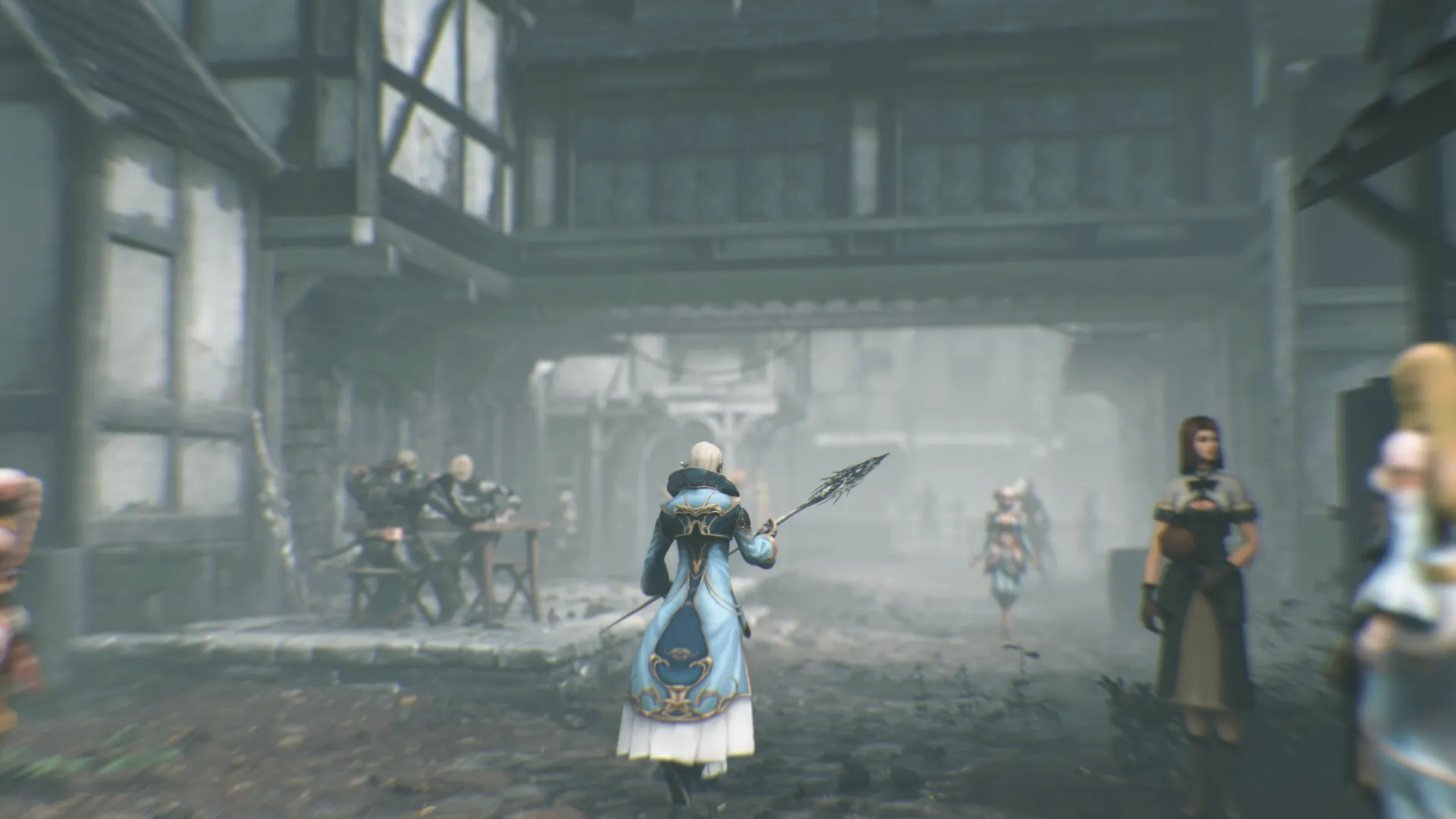
From there, the blocking gradually grew into the final scenes: full environments appeared, followed by characters, animation, lighting, effects and the final shot composition. Over the years, I have built up my own collection of tools, plugins and familiar solutions around Cinema 4D that make working with characters, scenes, materials and animation much faster. So switching the entire pipeline to different software in the middle of a project like this would not have made much sense.
I love going way too far with details. Sometimes probably too far. I can spend half a day working on some tiny thing that eventually appears on screen for a second — or ends up somewhere in the background.
But I enjoy that. If even 1% of viewers notices something that the other 99% completely missed, then I did not put it there for nothing. For me, those small details are what make a scene feel alive.
Of course, this cannot go on forever — there are always schedules, deadlines and eventually the moment when you have to tell yourself: alright, enough, render it. Although somewhere in the back of my head I usually still want to add some random crap to the far corner of the frame. And then again after the render, after release, and so on.
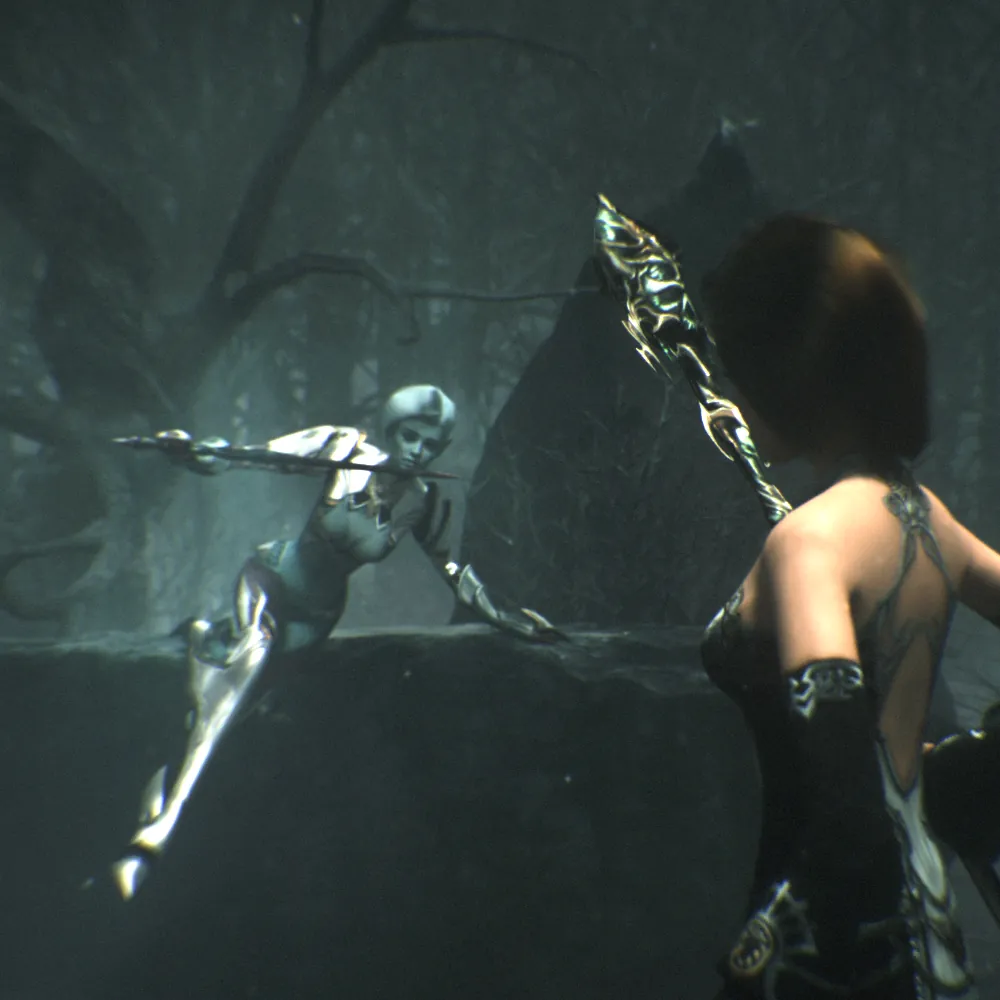
The camera only ever shows a small part of a scene. Outside the frame, there may still be entire sections of the environment, characters and details that nobody will ever see in the final edit. But I still wanted the world to exist beyond the camera, so many of the scenes were built much wider than the final shot actually required.
This became especially noticeable toward the finale. Characters that had previously appeared separately gradually converge on the same castle. By the final scene, there are already more than 300 of them: the army advances from three directions, part of it approaches on wyverns, defenders occupy the walls, and familiar heroes gather beside the General introduced at the very beginning of the story.
At that point, the challenge was no longer simply filling the frame with hundreds of models. I wanted the whole thing to feel alive and organized — while still preserving the small details, characters and little stories that everything started with.
Sometimes a few seconds of footage require building an entire world around the camera. And if even one person notices something everyone else missed, then it was worth putting there.
Alright, enough looking at viewports, blocking and everything that usually stays behind the scenes.
Here is what all of it eventually became. You can watch it right here or visit the project page.


Total comments: 0
Leave a comment